
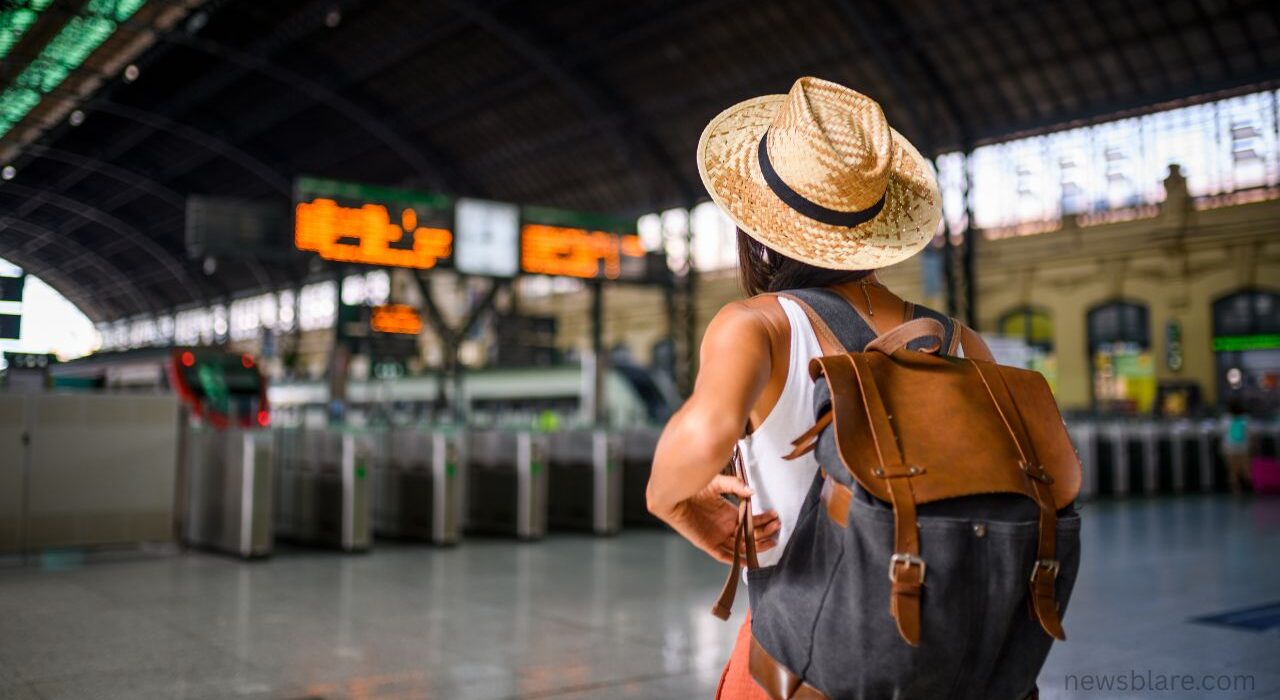
Solo travel opens up a world of freedom and self-discovery that group trips simply can’t match. You set your own schedule, follow your own interests, and challenge yourself in ways that lead to genuine personal growth. But traveling alone also means you’re your own lookout, navigator, and problem-solver when things go wrong. The good news is that with some smart preparation and awareness, solo travel can be both exhilarating and safe.
Research Your Destination Thoroughly
Before you book that flight, invest time in understanding where you’re headed. This goes beyond reading travel blogs and looking at Instagram photos. Check your government’s travel advisory website for current safety information about your destination. Some countries have specific risks that might affect solo travelers differently than groups.
Look into local customs and cultural norms, especially if you’re visiting a place with different social expectations. Understanding basic etiquette helps you blend in rather than stand out as a vulnerable tourist. Learn a few key phrases in the local language, even if it’s just “help,” “no,” and “where is the police station.” These small efforts can make a significant difference in your safety and overall experience.
Connect with other travelers who’ve recently visited your destination through online forums and travel communities. They can provide current, practical advice about which neighborhoods to avoid, which transportation options are safest, and what scams are currently targeting tourists.
Share Your Itinerary with Trusted Contacts
One of the most important safety measures for solo travelers is maintaining a communication lifeline back home. Share your detailed itinerary with at least two trusted friends or family members. Include your accommodation addresses, phone numbers, flight information, and planned activities with approximate times.
Set up regular check-in times with your contacts. This doesn’t mean calling home every hour, but perhaps a daily text or message to confirm you’re safe. If you miss a check-in, your contacts will know something might be wrong and can take appropriate action. Many travelers use location-sharing apps that allow trusted contacts to see where they are in real time.
Keep digital and physical copies of important documents like your passport, travel insurance, and emergency contacts. Store these in separate locations, including cloud storage that you can access from anywhere. Scott Morris, lawyer at Morris Injury Law, and other legal professionals often advise travelers to leave copies of important documents with someone at home who can assist if documents are lost or stolen abroad.
Trust Your Instincts
Your gut feeling is one of your most valuable safety tools. If a situation feels wrong, it probably is. Don’t worry about seeming rude or overreacting. Your safety matters more than social niceties or not wanting to offend someone.
This applies to everything from choosing accommodations to accepting invitations from people you meet. If a hostel gives you bad vibes when you arrive, even if you’ve already paid, consider it a small loss and find somewhere else. If someone’s attention feels too intense or makes you uncomfortable, remove yourself from the situation immediately.
Pay attention to how locals behave. If you notice that local women don’t walk alone in certain areas at night, follow their lead. Locals understand the genuine risks in their environment in ways that guidebooks can’t always capture.
Hotel Safety Essentials
Your accommodation should be your safe haven while traveling solo. Choose hotels or hostels with good security features like 24-hour reception, key card access, and security cameras in common areas. Read recent reviews specifically mentioning safety and security.
When you check in, don’t broadcast that you’re traveling alone. If asked how many keys you need, consider saying you’re waiting for your travel companion even if you’re solo. Request a room on the second to fourth floor, which is high enough to deter easy break-ins but low enough for emergency evacuation if needed.
Once in your room, take a few minutes to inspect the locks and security features. Use all available locks, including deadbolts and chain locks. Place the “do not disturb” sign on your door even when you’re out to suggest someone might be inside. Some travelers carry a doorstop or portable door lock for extra security in budget accommodations with questionable locks.
Keep your room tidy and don’t leave valuables visible from windows or when housekeeping enters. Use the hotel safe for passports, extra cash, and electronics you’re not carrying with you. Before going to sleep, know where your room exits are and keep a flashlight and your room key by your bed.
Stay Connected and Aware
Keep your phone charged and consider carrying a portable battery pack. Having a working phone is crucial for navigation, translation, emergency calls, and staying in touch with your safety contacts. Purchase a local SIM card or international plan so you’re not dependent on finding WiFi.
Situational awareness means staying alert to your surroundings without being paranoid. Avoid walking while staring at your phone or wearing headphones in both ears, especially in crowded or unfamiliar areas. Notice who’s around you and trust your radar when something feels off.
Protect Your Belongings
Theft is one of the most common issues solo travelers face. Use anti-theft bags with slash-proof material and locking zippers for day trips. Keep your valuables distributed across different locations on your body and in your bags, never all in one easily-grabbed place.
Solo travel rewards the prepared and the aware with incredible experiences and confidence that lasts long after you return home.
Read Also: 13 Tips and Tricks for Professional Product Photography