
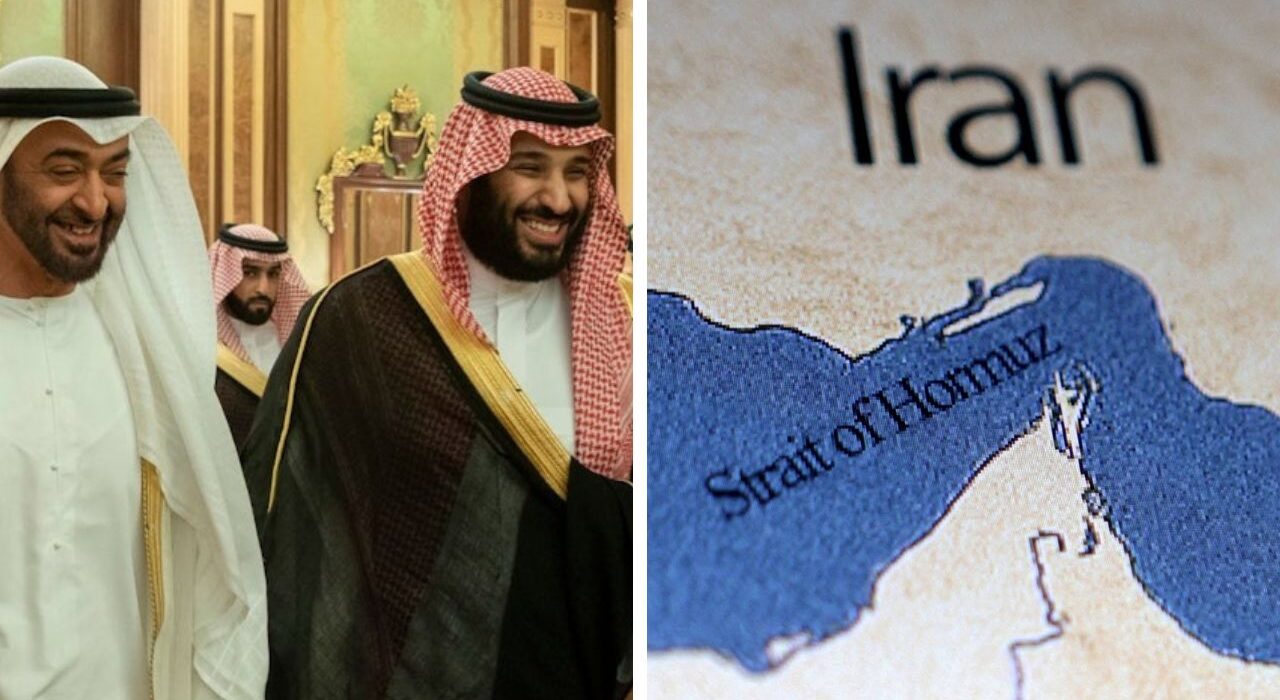
The U.S. allies in the Persian Gulf move close to fighting against Iran. They take the firmer stance after repeated attacks, affect the economies and increase fears of Tehran’s long-term influence over the Strait of Hormuz.
Is Iran threats increase War tensions?
These actions improve the airstrike abilities of America and targets the Iran’s financial support. It not lead to a full military deployment that Gulf leaders resisted amid increasing pressure from Iran’s threats to dominate the energy-rich region.
The report states that Riyadh allowed U.S. forces access to King Fahd Air Base. It reverse its earlier refusal to support strikes against Tehran. Meanwhile, the UAE has closed an Iranian-owned hospital and club, cutting off a crucial support hub for Tehran.
Tensions rise after Trump announce 5 day strike pause
Washington’s Gulf allies frustrated with Iran, which has attacked targets in neighboring countries as retaliation for U.S. and Israeli strikes. Israel’s attack last week on an Iranian gas field led to Tehran’s counterstrikes on energy sites throughout the Middle East. This has prompted Saudi Arabia and the UAE to take a tougher stance.
This situation follows U.S. President Donald Trump’s announcement of a five-day pause in strikes on Iran. He described this as a chance for “productive negotiations” amid signals through regional mediators. The Gulf allies’ tougher approach, leaning toward backing U.S. airstrikes without full military involvement, reflects their rising frustration with Iran’s threats in the Strait of Hormuz. This may complicate Trump’s delicate diplomatic pause as economic disruptions continue.
Read also: Mastering Your Budget with the Help of Simple Learning Tips