
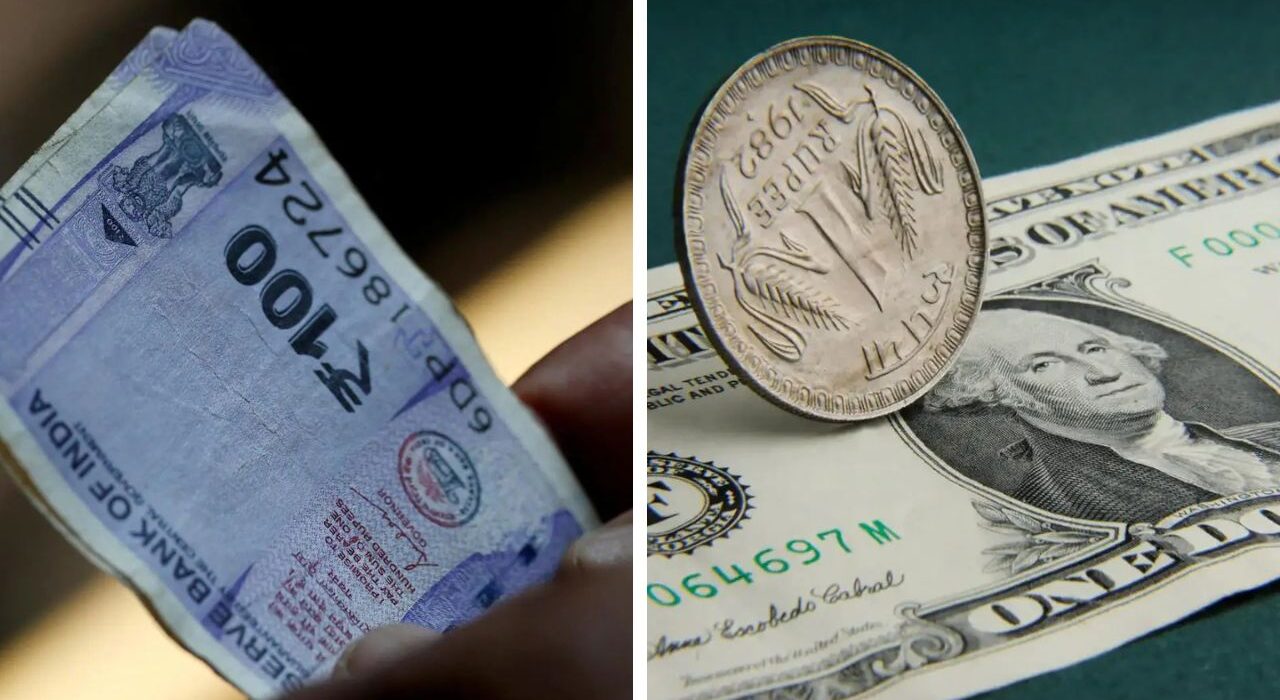
The Indian Rupee has reached a new low, falling below the ₹90 mark against the US dollar for the first time ever. This decline occurred during early trading on Wednesday and linked to factors like foreign investment outflows and uncertainty surrounding India-US trade negotiations.
The Reserve Bank of India (RBI) reportedly intervened to stabilize market volatility, but it could not achieve a significant recovery throughout the day.
Factors contributing to Indian Rupee depreciation
The drop in the rupee comes as global investors pull money from Indian markets while the dollar strengthens against major currencies. Weak foreign investment flows, uncertainty over US-India trade talks, and a global risk environment favoring the dollar all leave the rupee vulnerable. Traders anticipated this decline but surprised by how quickly it happened.
Impact of a weaker rupee on the economy
The Indian Rupee depreciation has immediate consequences for households and businesses, increasing import costs for crude oil, electronics, and industrial goods. Companies with foreign loans now face higher repayment costs.
While exporters might gain from a weaker currency, overall economic pressure is rising. Analysts predict that if foreign investment does not stabilize or global conditions do not improve, the currency will likely remain unstable in the near future.
Read also: Godrej Properties buy 5-Acre Hyderabad Plot to launch ₹4,150-crore premium housing project