
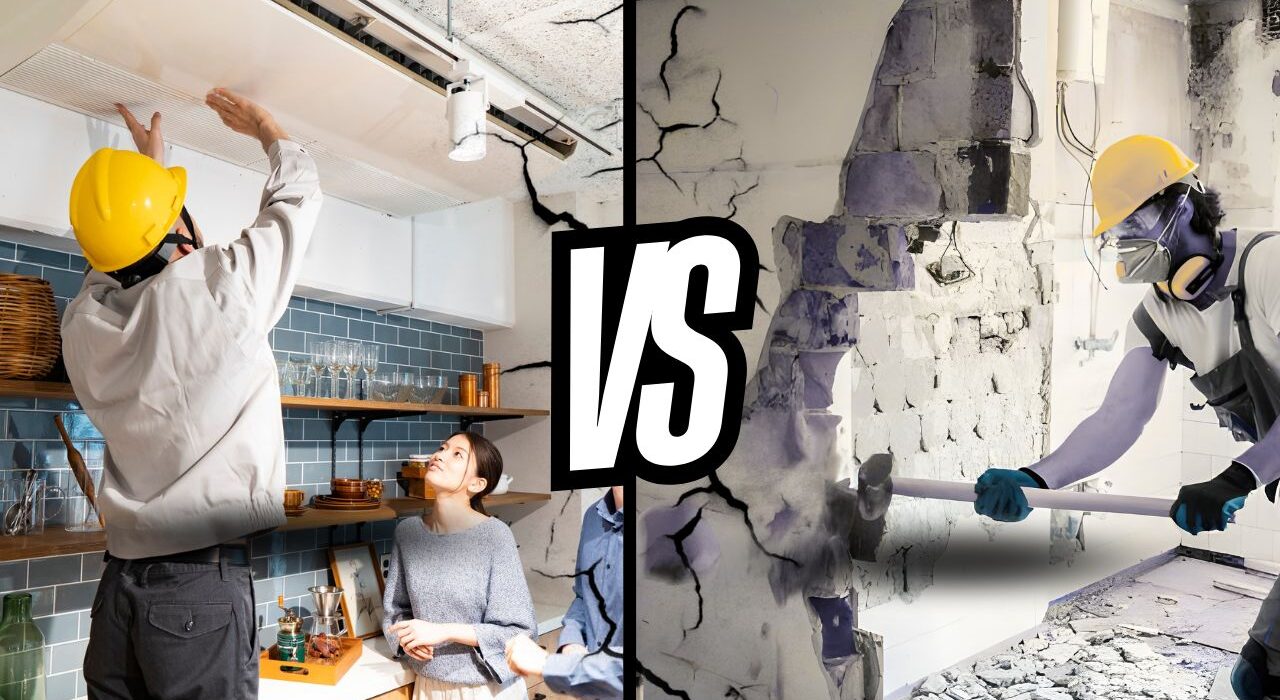
Property ownership comes with an ongoing responsibility to keep a home in optimal condition. Understanding the distinction between home maintenance and repair, and how each affects property value, can help homeowners make smarter financial decisions about their real estate investments. The approach owners take toward their properties directly influences both immediate market value and long-term appreciation potential.
Understanding the Fundamental Difference between home maintenance and repair
Maintenance refers to routine, preventive actions taken to preserve a property’s existing condition and functionality. These include tasks like cleaning gutters, servicing HVAC systems, repainting surfaces, and inspecting roofs. Repairs, conversely, address specific problems that have already developed, such as fixing a broken water heater, replacing damaged shingles, or addressing foundation cracks. While maintenance is proactive, repair is reactive.
According to the National Association of Realtors, homes with deferred maintenance sell for approximately 10 to 15 percent less than comparable properties in good condition. This significant value gap demonstrates why the distinction between these two approaches matters financially. Maintenance prevents small issues from escalating into costly repairs, while neglecting routine upkeep inevitably leads to more extensive and expensive problems.
The Economics of Prevention
The financial case for regular maintenance is compelling. Industry data suggests that homeowners spend an average of one to four percent of their home value annually on maintenance and repair combined. However, homes with consistent maintenance programs typically fall on the lower end of this spectrum, while properties with deferred maintenance face substantially higher costs when repairs become unavoidable.
Consider the simple act of maintaining proper drainage around a home’s foundation. Regular gutter cleaning and ensuring proper grading costs minimal amounts annually, yet prevents water intrusion that could lead to foundation damage costing tens of thousands of dollars to repair. Similarly, annual HVAC maintenance averaging 150 to 300 dollars can prevent system failures that require replacement units costing 5,000 to 10,000 dollars or more.
This principle applies to specialized structures as well. According to Florida Seawall Solutions, that deals in Seawall Repair in Miami, “For coastal properties, regular seawall repair prevents minor deterioration from becoming catastrophic failures that could cost hundreds of thousands in emergency reconstruction and potential property damage from flooding or erosion.”
Impact on Market Value and Salability
Properties with documented maintenance histories command premium prices in real estate markets. A 2023 study by Zillow found that home with complete maintenance records sold for an average of 7 percent more than similar homes without such documentation. Buyers perceive well-maintained properties as lower-risk investments, reducing concerns about hidden problems and imminent repair costs.
The visual impact of maintenance also significantly affects buyer perception. Fresh paint, clean landscaping, and well-maintained exterior elements create positive first impressions that influence offer prices. Real estate professionals consistently report that homes showing obvious signs of deferred maintenance sit on the market longer and attract lower offers, even when the underlying structural integrity remains sound.
Conversely, properties requiring visible repairs immediately signal potential problems to prospective buyers. Even minor issues like cracked caulking, loose gutters, or peeling paint raise red flags during showings, leading buyers to wonder what other problems might lurk beneath the surface. This perception often results in reduced offers or demands for seller concessions that exceed the actual repair costs.
Strategic Timing and Value Optimization
Not all maintenance and repairs yield equal returns on investment. Strategic homeowners prioritize tasks that preserve or enhance value most effectively. Roof maintenance and repairs typically return 100 percent or more of their cost in retained property value, while cosmetic updates may return 50 to 80 percent depending on local market conditions.
Mechanical systems deserve particular attention, as failure can render properties uninhabitable and significantly impair value. Regular maintenance of plumbing, electrical, heating, and cooling systems prevents emergency situations that could lead to additional damage and insurance claims that affect future coverage costs and home insurability.
Structural elements also warrant priority attention. Foundation issues, roofing problems, and water intrusion concerns can eliminate entire segments of the buyer pool, as many lenders refuse to finance properties with known structural deficiencies until repairs are completed to code standards.
Long-Term Value Preservation
The cumulative effect of consistent maintenance becomes increasingly apparent over time. Properties maintained according to manufacturer recommendations and building best practices retain their value more effectively through market cycles. During market downturns, well-maintained homes experience less dramatic value declines and recover faster when conditions improve.
Research from the Joint Center for Housing Studies at Harvard University indicates that homes receiving regular maintenance maintain 95 to 100 percent of their potential market value, while those with deferred maintenance may retain only 80 to 90 percent of their theoretical value. This gap widens over time as deferred issues compound and multiple systems approach end-of-life simultaneously.
Making Informed Decisions
Homeowners maximizing property value approach home maintenance as an investment rather than an expense. Creating annual maintenance schedules, budgeting appropriately, and addressing issues promptly prevents small problems from becoming value-destroying repairs. While repairs sometimes become necessary despite best efforts, minimizing their frequency through diligent maintenance remains the most cost-effective strategy for protecting real estate investments and ensuring properties command top market value when the time comes to sell.