
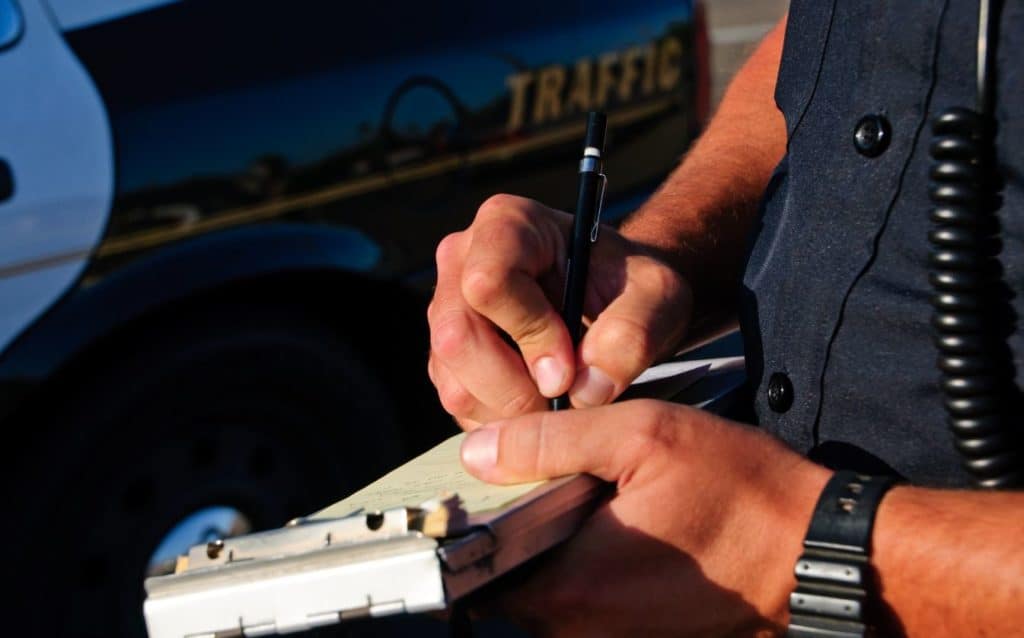
Receiving a traffic ticket is one of those experiences that can catch even the most cautious driver off guard. Whether it was a rolling stop at a quiet intersection or a momentary lapse in speed awareness on the freeway, the consequences of a citation can extend well beyond the initial fine. Insurance rate increases, points on your driving record, and even license suspension are real possibilities depending on the severity of the violation. The good news is that drivers have more options than they often realize, and taking a thoughtful, informed approach can make a significant difference in how the situation resolves.
Understanding What a Traffic Ticket Actually Means for Your Record
Not all traffic violations are created equal. Minor infractions like failing to signal a lane change carry far less weight than citations for reckless driving or excessive speeding. Most states operate on a point system, where each moving violation adds a certain number of points to your driving record. Accumulate enough points within a set period, and you risk license suspension or revocation. Beyond the driving record itself, insurers regularly review these records and use them as a basis for adjusting premiums. According to the Insurance Information Institute, even a single speeding ticket can raise a driver’s insurance premium by a meaningful percentage, with the impact lasting three to five years in many cases. Understanding the full scope of what a citation means is the first step toward responding to it effectively.
Your Rights After Receiving a Citation
Many drivers assume that paying a ticket is the only realistic option, especially when they believe they were at fault. In reality, every driver has the right to contest a citation in court. This process involves requesting a hearing, reviewing the evidence against you, and presenting your case before a judge. Officers are required to appear at these hearings, and if they do not, the case is often dismissed. Beyond procedural outcomes, there are legitimate legal arguments that can be raised depending on the circumstances, including questions about the calibration of speed measurement equipment, the clarity of posted signage, or whether the officer had a clear line of sight. Knowing your rights does not mean avoiding accountability; it means ensuring that the process is fair and that all relevant facts are considered before a judgment is made.
When Professional Legal Help Makes a Real Difference
There is a point at which handling a traffic citation on your own becomes a significant disadvantage. If you are facing a serious moving violation, a second or third offense within a short period, or a charge that could affect your commercial driving license, professional legal representation is worth serious consideration. A skilled traffic ticket lawyer understands local traffic law, court procedures, and the negotiation strategies that can lead to reduced charges, dismissed cases, or alternative resolutions like traffic school. They also know how to identify procedural errors in how a citation was issued, which can sometimes be the deciding factor in a case. For drivers in the Pacific Northwest, for example, local legal expertise can be particularly valuable given the specific regulations and enforcement patterns in that region.
Defensive Driving and Long-Term Record Management
One of the most practical steps a driver can take after receiving a citation, regardless of how the legal process resolves, is to invest in a defensive driving course. Many states allow drivers to attend an approved course in exchange for point reduction or even complete dismissal of a minor violation. Beyond the immediate benefit, these courses reinforce habits that genuinely reduce the likelihood of future citations and accidents. Topics typically covered include hazard perception, proper following distances, intersection navigation, and the effects of weather and fatigue on driving performance. Many insurance providers also offer discounts to drivers who complete certified defensive driving programs, making the investment worthwhile on multiple fronts.
Building a Proactive Approach to Traffic Safety
The most effective way to manage the impact of traffic violations is to reduce the likelihood of receiving them in the first place. This goes beyond simply obeying the speed limit. It means staying current on traffic laws, which do change over time, and being aware of how local enforcement priorities may vary from one jurisdiction to another. It also means maintaining your vehicle in good working order, since equipment violations like broken taillights or expired registration stickers are among the most easily avoidable citations. Developing a consistent habit of checking your mirrors, using turn signals proactively, and giving yourself adequate time to reach your destination removes the pressure that often leads to rushed, risk-prone driving decisions. Over time, a clean driving record pays dividends in the form of lower insurance costs and greater peace of mind behind the wheel.
A traffic ticket does not have to define your driving future. With the right information, a clear understanding of your options, and the willingness to take the situation seriously, most drivers can manage the consequences effectively and come away with a stronger foundation for safer driving. Whether you choose to contest a citation, seek legal counsel, enroll in a defensive driving course, or simply use the experience as a catalyst for better habits, the path forward is well within reach. The key is to act thoughtfully rather than reactively, and to recognize that every step you take toward informed decision-making is a step toward a better outcome.
Read Also: How Survivors Are Finding Strength, Justice, and Healing After Sexual Abuse