
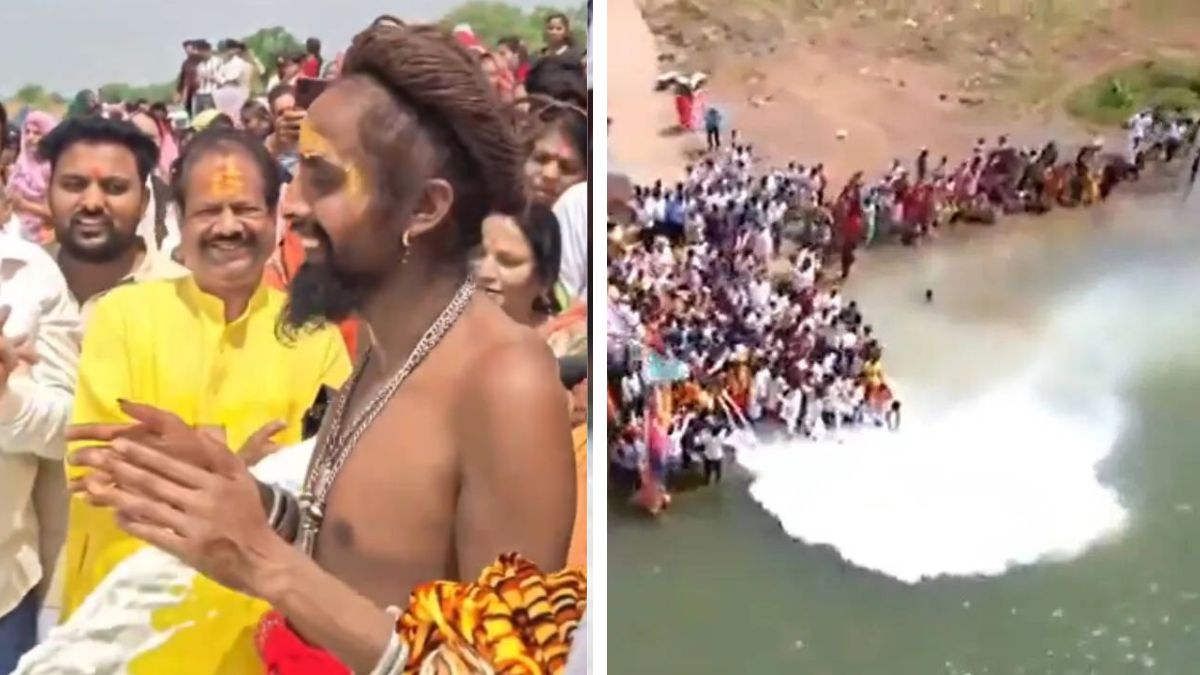
The story has gone viral, showing how it can divide people through social media. It describes how a tanker truck released 11,000 liters of milk into the Narmada River. Some observers called this act a major religious sacrifice. Devotees performed it to fulfill their spiritual vows, believing that the river’s fish should experience the pleasure of drinking milk. The devotees witnessed white waves, leading to more conflicts.
Ecological Consequences of Milk Dumping in the Narmada River
When 11,000 liters of milk enter the river, it triggers a biological disaster. This event causes nutrient loading. The breakdown of milk uses up water and oxygen, which scientists measure using the biochemical oxygen demand (BOD) method. The rapid rise in BOD levels causes an oxygen shortage essential for the survival of fish and other aquatic organisms, resulting in mass die-offs.
Ethical Redistribution of Milk Resources
This incident highlights severe nutritional inequalities among social groups. The amount of milk wasted could have provided a daily serving for thousands of children in rural areas where stunting and anemia are common. Modern society needs individuals to show their dedication through social investment instead of material sacrifice.
Religious acts can help communities address systemic hunger by distributing resources to laborers and poor farmers while honoring traditional practices. The ritual gains significance as a compassionate act, with 99% of the offerings supporting human welfare while maintaining the sacred nature of the vow.
Read also: Taxi Driver Dies by Suicide After Accusing Police of Assault and Bribe Demand