
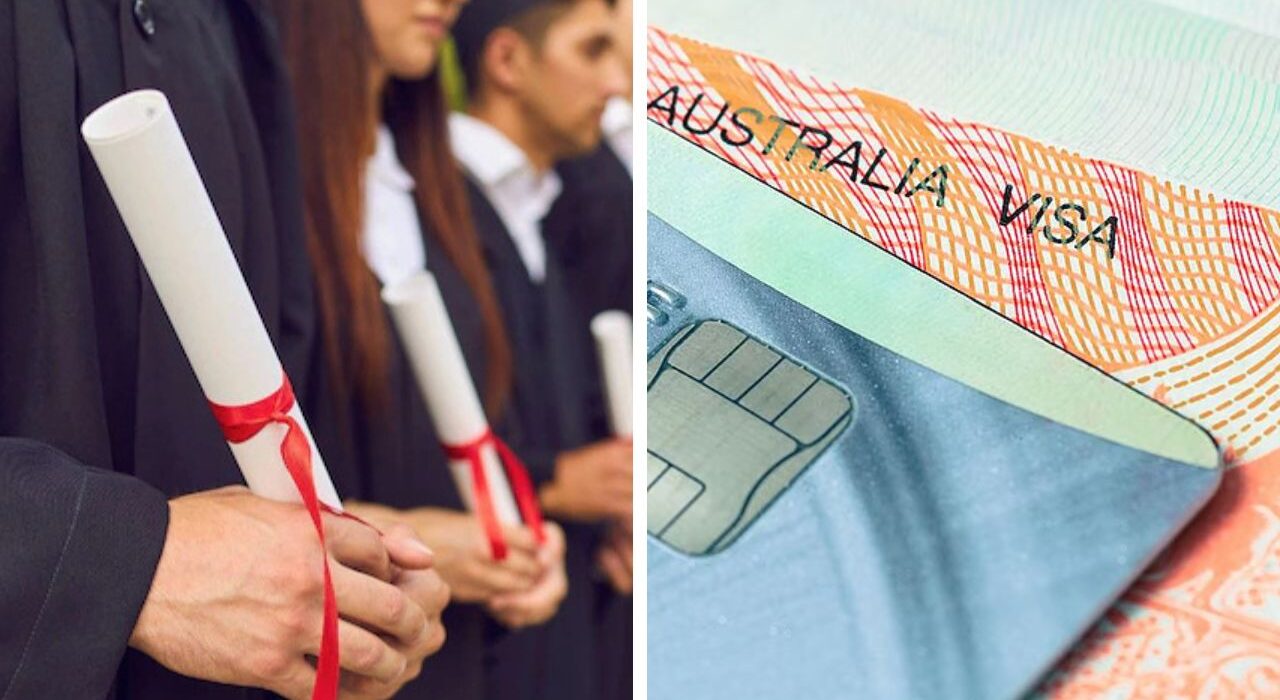
Australia has placed India, along with Nepal, Bangladesh, and Bhutan, in Evidence Level 3. This is the highest risk category under its student visa framework. The move tightens scrutiny of applications due to what the government calls emerging integrity risks in the international education system.
As a result, students applying for Australian visas will face tougher documentation requirements, longer processing times, and closer examination.
Why Australia Move India into highest visa risk category
The Australian government has upgraded India and three neighboring South Asian countries to Evidence Level 3 under its Simplified Student Visa Framework (SSVF). This is an internal risk-assessment system used by the Department of Home Affairs to decide how much evidence student visa applicants provide.
Evidence levels range from Level 1, which is the lowest risk, to Level 3, the highest risk. These levels are based on historical visa data, including refusal rates, document fraud, visa cancellations, and overstaying incidents.
What is Evidence Level 3?
Being placed in Evidence Level 3 not prevent students from applying, but it does mean that applications undergo the highest level of scrutiny under the SSVF.
Students from Evidence Level 3 countries must now submit extensive supporting documents upfront. This includes detailed proof of funds, such as bank statements showing consistent balances and evidence of where the money comes from. Because applications more likely to be manually assessed, processing timelines expected to increase.
Applicants from Evidence Level 3 countries should expect more requests for additional information. They may face follow-up questions about finances or academic gaps and delays due to background and document checks. Education agents report that poorly prepared or inconsistent applications more likely to be delayed or refused under the new classification.
Read also: Shubman Gill Handles T20 World Cup Omission with Grace Before ODI Captaincy